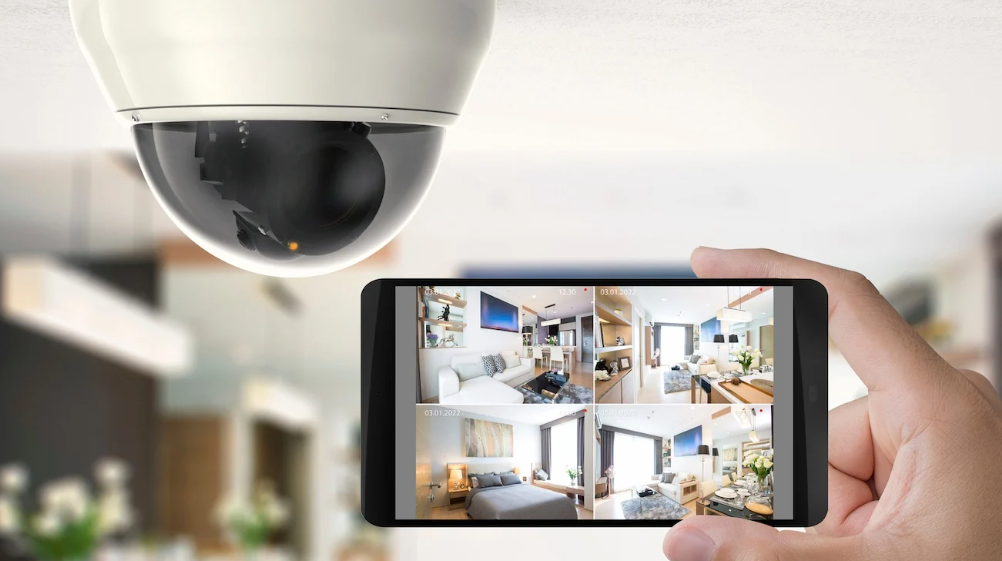
The integration of Internet of Things (IoT) technology in home security systems offers notable advancements in surveillance and protection. Smart cameras provide continuous monitoring while smart locks facilitate keyless entry and access control. Additionally, real-time alerts enhance responsiveness to potential threats. This interconnected network fosters a comprehensive approach to safety. However, the implications of these technologies extend beyond mere convenience, raising questions about privacy and security that warrant further exploration.
The Role of Smart Cameras in Home Surveillance
As the demand for enhanced security solutions grows, smart cameras have emerged as a pivotal component in home surveillance systems.
Equipped with advanced facial recognition technology, these devices provide accurate identification of individuals, ensuring greater security.
Furthermore, their night vision capabilities allow for continuous monitoring in low-light conditions, enhancing surveillance effectiveness.
Together, these features empower homeowners to maintain a secure and vigilant environment.
Benefits of Smart Locks for Enhanced Security
While traditional locks have served their purpose for decades, smart locks represent a significant advancement in home security technology.
Leveraging smart lock technology, these devices offer keyless entry, enhancing convenience and security. They eliminate the risks associated with lost keys while providing remote access control.
Furthermore, smart locks can integrate with other IoT devices, creating a comprehensive security ecosystem for homeowners.
See also: How Foldable Phones Are Changing the Market
Real-Time Alerts and Monitoring Capabilities
Real-time alerts and monitoring capabilities significantly enhance home security by providing homeowners with immediate notifications of any suspicious activity.
Utilizing advanced motion detection technologies, these systems can identify unusual movements and trigger instant alerts.
Furthermore, remote access allows homeowners to monitor live feeds and respond promptly, ensuring that potential threats are addressed swiftly, ultimately fostering a sense of safety and control over their environment.
Integrating Home Automation for Comprehensive Protection
Integrating home automation systems with security measures creates a multifaceted approach to safeguarding residences.
Smart lighting can simulate occupancy, deterring potential intruders, while automated curtains enhance privacy and control over visibility.
This synergy not only streamlines security protocols but also empowers homeowners with enhanced situational awareness, ultimately fostering a sense of autonomy and security within their living environments.
Conclusion
In conclusion, the integration of IoT in home security systems presents a multifaceted approach to safeguarding residential environments. While some may argue that reliance on technology poses vulnerabilities, the real-time monitoring, automated responses, and advanced features of smart cameras and locks significantly mitigate these risks. By providing continuous surveillance and immediate alerts, IoT not only enhances security but also fosters a proactive defense strategy, thereby ensuring homeowners enjoy both safety and peace of mind.